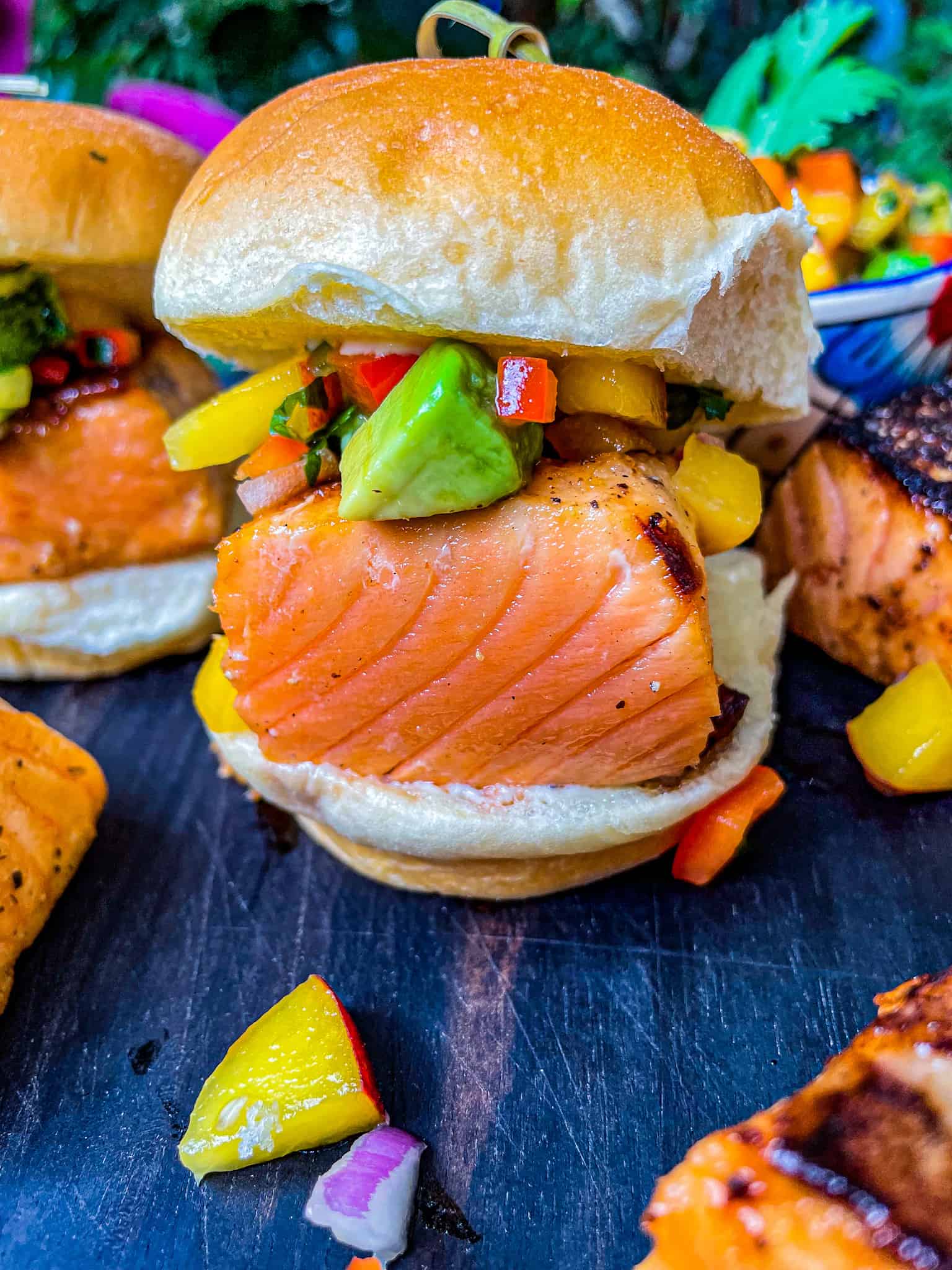
Wild vs. Farmed: Crafting the Ultimate Baked Salmon with Buttery Honey Mustard Sauce
Imagine a dish so exquisitely balanced it could silence a room full of discerning food critics. This isn't just a fantasy; it's the quiet power of perfectly executed baked salmon with buttery honey mustard sauce. What elevates this beloved classic from a simple weeknight meal to an unforgettable culinary experience often boils down to a few fundamental choices, particularly concerning your salmon and honey selections. These decisions don't just affect flavor; they dictate texture, richness, and even the dish's overall success in achieving that elusive moist interior and subtly caramelized exterior.
The beauty of this preparation lies in its thoughtful simplicity. It's a testament to technique and restraint, where a harmonious blend of sweet honey, pungent mustard, and rich butter doesn't overpower the salmon but rather celebrates its natural qualities. The sauce, acting as both a protective marinade and a glossy finishing glaze, creates a cohesive flavor envelope that locks in moisture and develops incredible depth during baking. But to truly master this dish, you need to understand the nuances of its core ingredients. Let's dive into how choosing between wild and farmed salmon, and selecting the right honey, can dramatically transform your culinary creation.
The Foundation: Salmon – Wild, Farmed, or Sustainable Alternatives?
The type of salmon you choose is perhaps the most critical decision influencing the final character of your baked salmon with buttery honey mustard sauce. Each variety brings a distinct flavor profile and texture to the table:
- Wild-Caught Salmon (King, Sockeye, Coho): Often celebrated for its robust, complex, and distinctively "salmon-y" flavor, wild varieties offer a leaner, firmer texture with a more pronounced mineral essence. King salmon (Chinook) is prized for its high fat content among wild species, offering a buttery richness, while Sockeye is leaner with a vibrant red hue and intense flavor. Coho is milder. While delicious, their lower fat content compared to farmed salmon means they can dry out more easily if overcooked. For this particular recipe, a slightly shorter cooking time or lower temperature might be advisable to preserve their delicate texture and prevent them from becoming flaky rather than succulent.
- Farm-Raised Atlantic Salmon: This is a consistent and widely available choice. Farmed Atlantic salmon is known for its higher, more consistent fat content, which translates to a wonderfully rich, buttery flavor and a tender, melt-in-your-mouth texture. This higher fat content makes it incredibly forgiving in the oven, as it’s less prone to drying out. For a dish emphasizing "buttery honey mustard sauce," the inherent richness of farmed Atlantic salmon often complements the sauce beautifully, creating a luxurious mouthfeel that’s hard to beat. The fat renders exquisitely, mingling with the sauce to create a truly decadent experience.
- Sustainable Alternatives (Arctic Char): For those prioritizing sustainability or seeking a slightly milder flavor, Arctic Char is a magnificent substitute. With a taste profile often described as a cross between salmon and trout, it possesses a delicate flavor, a fine flake, and a pleasing fat content similar to that of good quality farmed salmon. Its cooking properties are nearly identical, making it an excellent choice for this recipe without compromising on moisture or flavor compatibility.
Regardless of your choice, a few universal rules apply for optimal results: skin-on fillets are non-negotiable. The skin serves as a natural protective barrier, insulating the flesh from direct heat and rendering crisply during cooking, adding a fantastic textural contrast. Opt for center-cut portions to ensure even cooking; tail pieces are thinner and prone to drying out before thicker sections are perfectly cooked.
The Golden Touch: Elevating Your Sauce with the Right Honey
While often seen as a mere sweetener, your honey choice dramatically impacts the foundational character and nuanced flavor evolution of your double-duty honey mustard sauce. It’s not just about sweetness; it's about complexity and aromatic depth.
- Commercial Clover Honey: Readily available and consistent, clover honey provides a clean, mild sweetness. It works perfectly fine, but for a dish aiming for perfection, it often lacks the intricate dimensions that other varieties can bring.
- Orange Blossom Honey: This variety introduces subtle, bright citrus notes that beautifully amplify any lemon zest or juice in your recipe. Its delicate floral and fruity undertones create a sophisticated interplay with the salmon and mustard, offering a more vibrant and aromatic sauce.
- Wildflower Honey: True to its name, wildflower honey offers a diverse and complex flavor profile that varies depending on the regional flora. It can range from earthy and robust to subtly floral and fruity. This complexity evolves wonderfully during baking, adding layers of flavor that can surprise and delight. Exploring local wildflower honeys can introduce unique regional notes to your dish.
- Raw Honey: Unfiltered and unpasteurized, raw honey retains more of its natural enzymes, antioxidants, and pollen. While some claim these enzymes can contribute to tenderizing the salmon's surface during marination, its primary advantage here is often its richer, more unadulterated flavor. Be mindful that raw honey can have a thicker, sometimes grainy texture which might require a little more whisking to fully emulsify into the sauce, especially if you prefer a silky-smooth finish.
Taste your honeys! A small spoonful can tell you whether its sweetness is straightforward or layered, and how its unique profile might interact with the pungent mustard and delicate salmon. The right honey acts as a bridge, balancing the sharp mustard and rich butter, creating that irresistible glossy finish that makes this dish so appealing.
Beyond the Basics: Mustard, Butter, and Aromatics
While salmon and honey take center stage, the supporting cast of ingredients is equally vital to the dish’s success:
- Mustard Selection: Your mustard defines the sauce's foundational character.
- Dijon Mustard: Essential for its clean, sharp pungency and superior emulsification properties. It provides the crucial acidity and bite that cuts through the richness of the salmon and butter, preventing the dish from tasting heavy.
- Whole Grain Mustard: Adds delightful textural interest and a rustic visual appeal with its tiny mustard seeds. Combining it with Dijon creates a multi-faceted mustard experience, offering both smooth intensity and satisfying pop. While other mustards like stone-ground or even a mild brown mustard can be used, ensure they don't overpower the delicate salmon or the honey's sweetness.
- Butter or Alternatives: The "buttery" in baked salmon with buttery honey mustard sauce is there for a reason.
- Unsalted Butter: Provides unparalleled richness, silkiness, and a signature mouth-coating quality to the sauce. It's integral to achieving that glossy, irresistible finish.
- Dairy-Free Alternatives: For those avoiding dairy, high-quality extra virgin olive oil or even cultured coconut oil can replace butter. While they won't replicate the exact signature silkiness or depth of flavor that butter provides, a fruity olive oil can lend its own unique aroma and contribute to a rich sauce. Expect a slightly different mouthfeel but still a delicious result.
- Fresh Aromatics: These are the finishing touches that brighten and lift the dish.
- Fresh Dill: The classic pairing for salmon, dill offers a fresh, slightly anisy, and herbaceous note that harmonizes beautifully with the fish.
- Fresh Tarragon: An excellent and surprisingly good alternative to dill, tarragon brings a distinct anise-forward, slightly peppery flavor that complements both salmon and the honey-mustard profile in an unexpected, sophisticated way.
- Lemon Zest/Juice: A squeeze of fresh lemon juice or a sprinkle of zest can dramatically brighten the entire dish, cutting through the richness and enhancing the flavors of both the salmon and the sauce.
Mastering the Technique: Achieving Perfection in Every Bite
Beyond ingredient selection, the technique employed is crucial. This recipe’s genius lies in its simplicity and effectiveness. The double-duty honey mustard sauce performs a critical function: it acts as a protective flavor envelope around the fish. This barrier allows for gentle, even heat penetration, preventing the delicate salmon from drying out while promoting a subtle caramelization on the exterior.
The result is that elusive technical achievement: salmon that is simultaneously moist, tender, and succulent on the inside with perfectly rendered fat, and a beautifully glossy, slightly crisp exterior. To ensure success:
- Don't Overcook: Salmon cooks quickly. Aim for an internal temperature of 125-130°F (52-54°C) for medium-rare, keeping in mind it will continue to cook slightly after removal from the oven. Overcooked salmon is dry salmon.
- Preheat Properly: Ensure your oven and often the baking sheet are fully preheated before adding the salmon. This helps create that initial sear and even cooking.
- Rest Your Salmon: Just like meat, salmon benefits from a brief rest (5-10 minutes) after baking. This allows the juices to redistribute, ensuring a more tender and flavorful fillet.
This thoughtful approach makes baked salmon with buttery honey mustard sauce an ideal choice for a weeknight meal that feels gourmet without demanding a chef's schedule. It allows you to control the outcome, delivering consistently juicy results that impress both picky eaters and sophisticated palates alike.
Conclusion
The journey to creating the perfect baked salmon with buttery honey mustard sauce is one of informed choices and careful technique. By understanding the distinct characteristics of wild versus farmed salmon, appreciating the depth that different honey varieties bring, and thoughtfully selecting your supporting cast of mustards, fats, and fresh herbs, you transform a simple recipe into a culinary triumph. It's about celebrating the natural richness of salmon and enhancing it with a sauce that is both complementary and transformative. So, next time you plan to bake salmon, consider these insights. Your taste buds—and perhaps even a room full of critics—will thank you.
